Beyond Modeling Tools: Documenting Your 3D Design Language
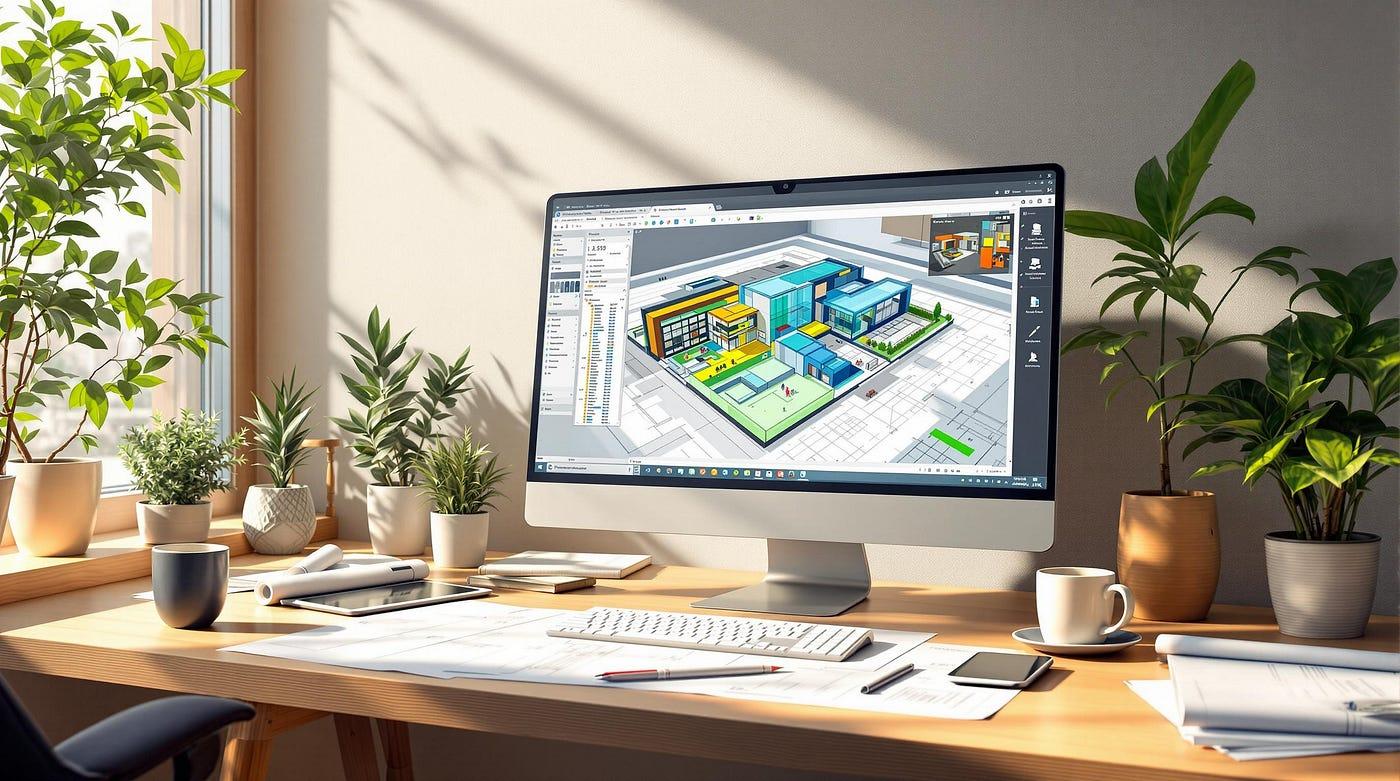
While 3D modeling tools offer immense power for intricate design, their flexibility often creates a critical challenge: maintaining a cohesive and consistent design vision across complex projects and diverse teams. Individual models, though technically proficient, can lack the unified language essential for a strong brand. This fragmentation frequently leads to increased rework and diminished operational efficiency.
This lack of formalized structure means design knowledge often remains implicit, confined to individual expertise. Such an oversight complicates new team member onboarding and limits design scalability. Without a standardized approach, iterations can diverge, making it difficult to establish a unified aesthetic or functional language. This frequently undermines long-term project integrity.
To overcome these hurdles, the concept of a "3D design language" is paramount. This extends beyond mere visual style, encompassing the underlying principles, rules, and repeatable patterns that govern how 3D forms are created and communicate intent. It defines the why behind design choices, not just the what, providing a foundational grammar for all 3D assets and ensuring intrinsic coherence.
The true power of a 3D design language is unlocked through comprehensive documentation. This transforms implicit knowledge into explicit, actionable guidelines, shareable and applicable consistently across the organization. It serves as a single source of truth, guiding designers, engineers, and stakeholders, fostering shared understanding and reducing ambiguity. Effective documentation ensures design intent is preserved and evolved thoughtfully.
✨ Defining Your Core Design Principles
-
Defining your 3D design language begins with articulating its core principles. These are the fundamental aesthetic and functional tenets guiding all your 3D creations. Consider modularity, visual hierarchy, material consistency, and ergonomic factors. This demands deep introspection into existing work, identifying unique qualities that make products recognizable and effective.
It's about distilling your design philosophy into clear, communicable statements. This process benefits from cross-functional input, ensuring principles are robust, practical, and aligned with objectives. These principles then guide every modeling decision for cohesive output.
📚 Structuring the Documentation
-
Once principles are defined, structuring the documentation is crucial. Organize your design language into clear categories: core components, repeatable patterns, usage guidelines, and visual style. Emphasize accessibility and clarity, ensuring the documentation is easy to navigate and understand for all team members. Visual examples are invaluable for effective comprehension.
🔗 Integrating with Workflow and Tools
-
Documentation is not static; it must be a living part of your design process. Integrate your design language into daily workflows through regular reviews, version control, and active team engagement. It needs to evolve alongside your products. FormLanguage Library facilitates this integration, ensuring principles are consistently applied and refined within your existing toolchain.
A documented 3D design language is a strategic asset. It ensures consistency, reduces ambiguity, and streamlines development. This clarity empowers teams to work efficiently and collaboratively.
It minimizes rework, accelerates project completion, and transforms implicit knowledge into an explicit, shared resource. This fosters continuous improvement and shared understanding.
Ultimately, a documented design language fosters innovation and elevates design maturity. It moves organizations beyond mere tool proficiency to a strategic approach, contributing to a unified, compelling vision.