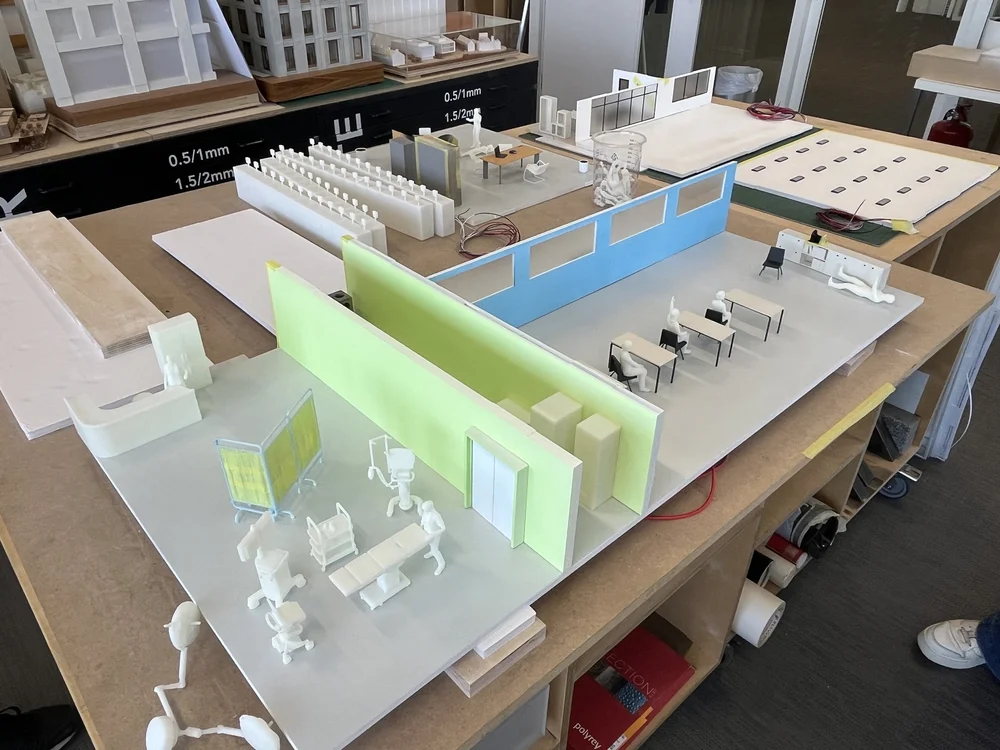

The creation of immersive 3D worlds extends far beyond merely assembling a collection of assets. While individual models and textures are crucial, their true power lies in how they coalesce into a unified, believable environment. Without a foundational understanding of design, even the most detailed components can feel disconnected, failing to draw the audience into the intended experience. This challenge is central to crafting digital spaces that resonate deeply.
Many projects struggle with this very issue, presenting environments that, despite their visual fidelity, lack a cohesive identity. This often results in a fragmented user experience, where the world feels more like a patchwork than a living, breathing entity. The absence of a guiding aesthetic or functional logic can quickly break immersion, leaving users feeling detached rather than engaged. Achieving a seamless integration requires a thoughtful approach from conception.
This is where established design principles become indispensable. Far from being abstract concepts, they provide a concrete framework for decision-making at every stage of development. Principles such as balance, hierarchy, rhythm, and unity are not just artistic guidelines; they are the architectural blueprints for visual and spatial coherence. Applying these principles, as championed by FormLanguage Library, ensures that every element, from a vast landscape to a small prop, serves a larger, unified vision.
By consciously applying these design tenets, creators can transform a mere idea into a tangible, iconic world. This systematic approach guarantees that the visual language, spatial relationships, and interactive elements all speak in harmony. The result is an environment that is not only aesthetically pleasing but also intuitively navigable and emotionally resonant, fostering a deeper connection with its inhabitants. It's about building worlds that feel intrinsically right.
Ultimately, the journey from a nascent concept to a fully realized 3D world demands more than technical prowess. It requires a strategic commitment to design principles that underpin every visual and interactive choice. This dedication ensures that the final product stands as a testament to thoughtful creation, offering an experience that is both memorable and deeply engaging, setting a new standard for digital world-building. FormLanguage Library believes in empowering creators with these foundational insights.
The cornerstone of any cohesive 3D world is a well-defined visual language. This encompasses a consistent approach to color palettes, texture styles, geometric forms, and overall aesthetic. When every asset, from architecture to foliage, adheres to this established language, the world gains an immediate sense of unity and authenticity. For instance, a world might predominantly feature organic, flowing shapes and earthy tones, while another could be characterized by sharp angles and metallic surfaces. This deliberate consistency guides the creation process, ensuring that new elements naturally integrate rather than stand out jarringly.
Developing this visual lexicon early in the project is paramount. It acts as a compass, directing artists and designers towards a shared aesthetic goal. This strategic consistency not only enhances the world's believability but also contributes significantly to its unique identity. A strong visual language makes a world instantly recognizable and memorable, allowing its narrative and atmosphere to shine through without visual dissonance. It is the foundation upon which all subsequent details are built, ensuring every part contributes to the greater whole.
Beyond visual aesthetics, the structural integrity and spatial flow of a 3D environment are critical for immersion and usability. Design principles dictate how spaces are organized, how elements relate in scale, and how users navigate through them. Thoughtful layout ensures that the world feels logical and intuitive, guiding the eye and the user's movement naturally. Considerations like line of sight, focal points, and the deliberate placement of interactive elements contribute to an experience that is both functional and aesthetically pleasing.
While grand designs set the stage, it is often the subtle details that imbue a 3D world with emotional resonance and a sense of lived history. The interplay of light and shadow, ambient soundscapes, and environmental storytelling through props and wear-and-tear all contribute to the world's mood and narrative. These elements, carefully integrated using design principles, transform static scenes into dynamic, evocative spaces. They speak volumes about the world's past and present, inviting deeper exploration and connection from the user.
In conclusion, the journey from a simple idea to an iconic 3D world is paved with thoughtful application of design principles. These are not mere suggestions but fundamental guidelines that ensure every aspect of a digital environment contributes to a unified, compelling experience. They transform disparate elements into a harmonious whole, fostering a sense of authenticity and depth that captivates audiences.
Embracing these principles allows creators to build worlds that are not only visually stunning but also deeply immersive and believable. The strategic integration of visual language, spatial logic, and nuanced details ensures that the final product stands as a testament to meticulous craftsmanship. This systematic approach is what elevates a project from good to truly unforgettable.
For any ambitious project aiming to leave a lasting impact, understanding and applying these core design principles is paramount. It is the secret ingredient to creating digital spaces that resonate, engage, and endure. FormLanguage Library understands this intricate balance, advocating for a design-first approach to world-building that turns visions into vibrant realities.